Backstory

2023

The idea

Architect Elena Vlasceanu decided to write a proposal for EU funding based on an idea she had nurtured for years.

Despite having no prior experience writing such proposals, she believed in her vision. She invested months of consistent effort to assemble a consortium of partners, and they submitted the proposal together.

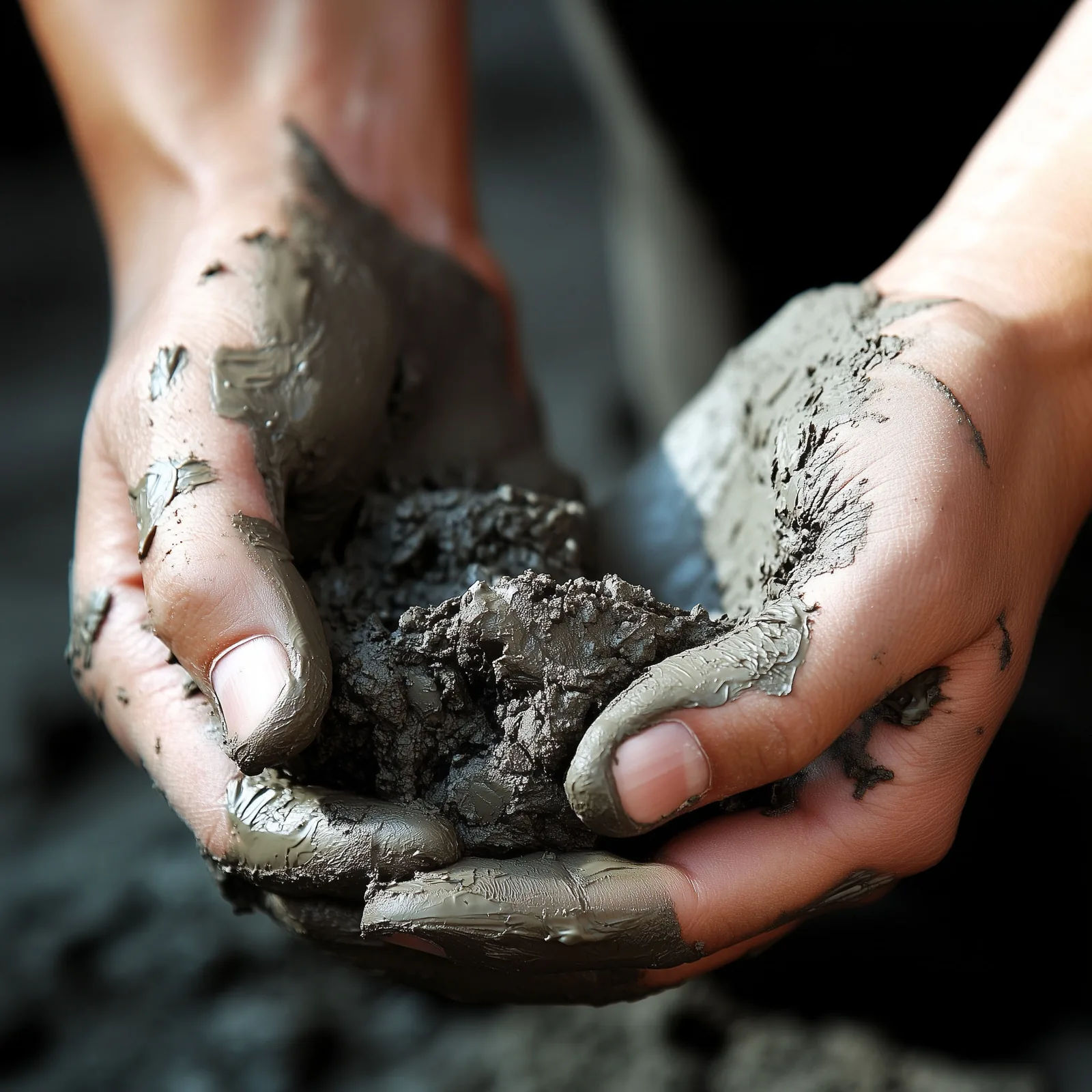
Hands shaping loam

2024

The grant

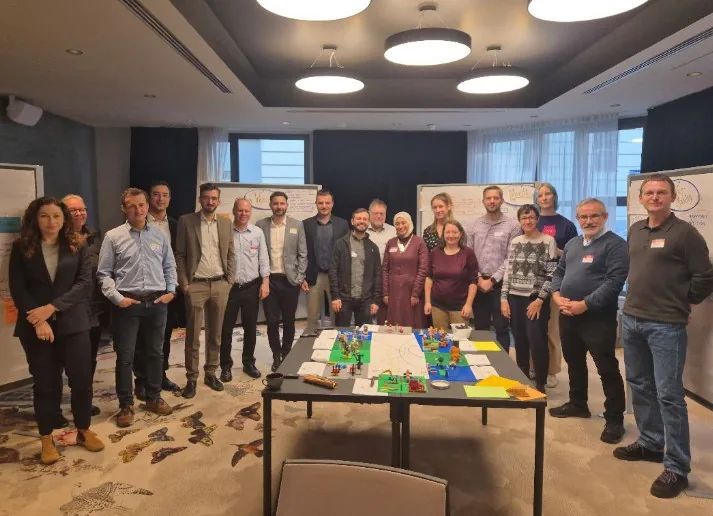
The consortium secured the EIC Pathfinder grant. The four-year project officially began in October 2024, with a kick-off meeting in Vienna.

The AlgoLoam kick-off meeting in Vienna

2026

First results

The first reporting period established the framework for lightweight, natural and biodegradable loam wall elements, the first reinforcement prototypes, and a sustainability matrix for materials. A patent application was filed in July 2026.

2028

The goal

Functional loam wall prototypes, ready for the next step towards market.

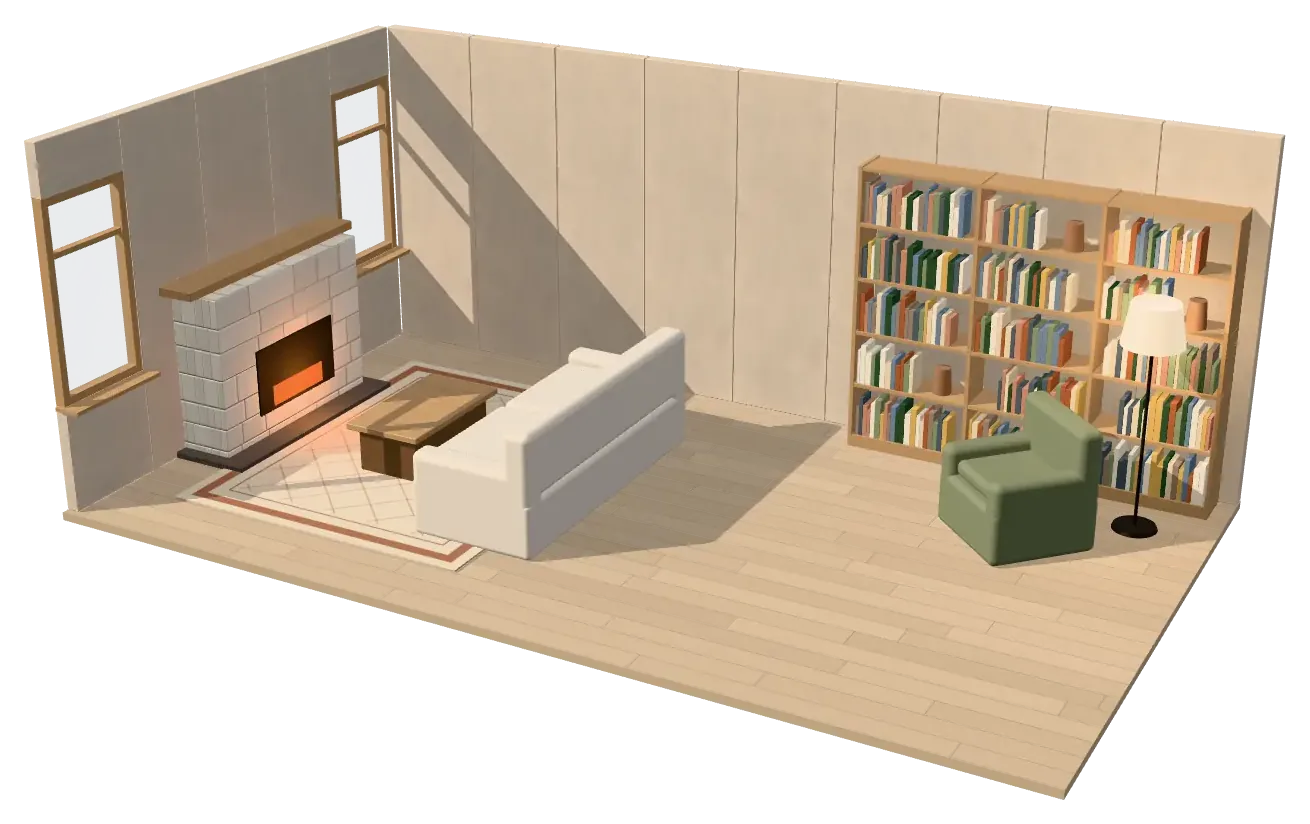
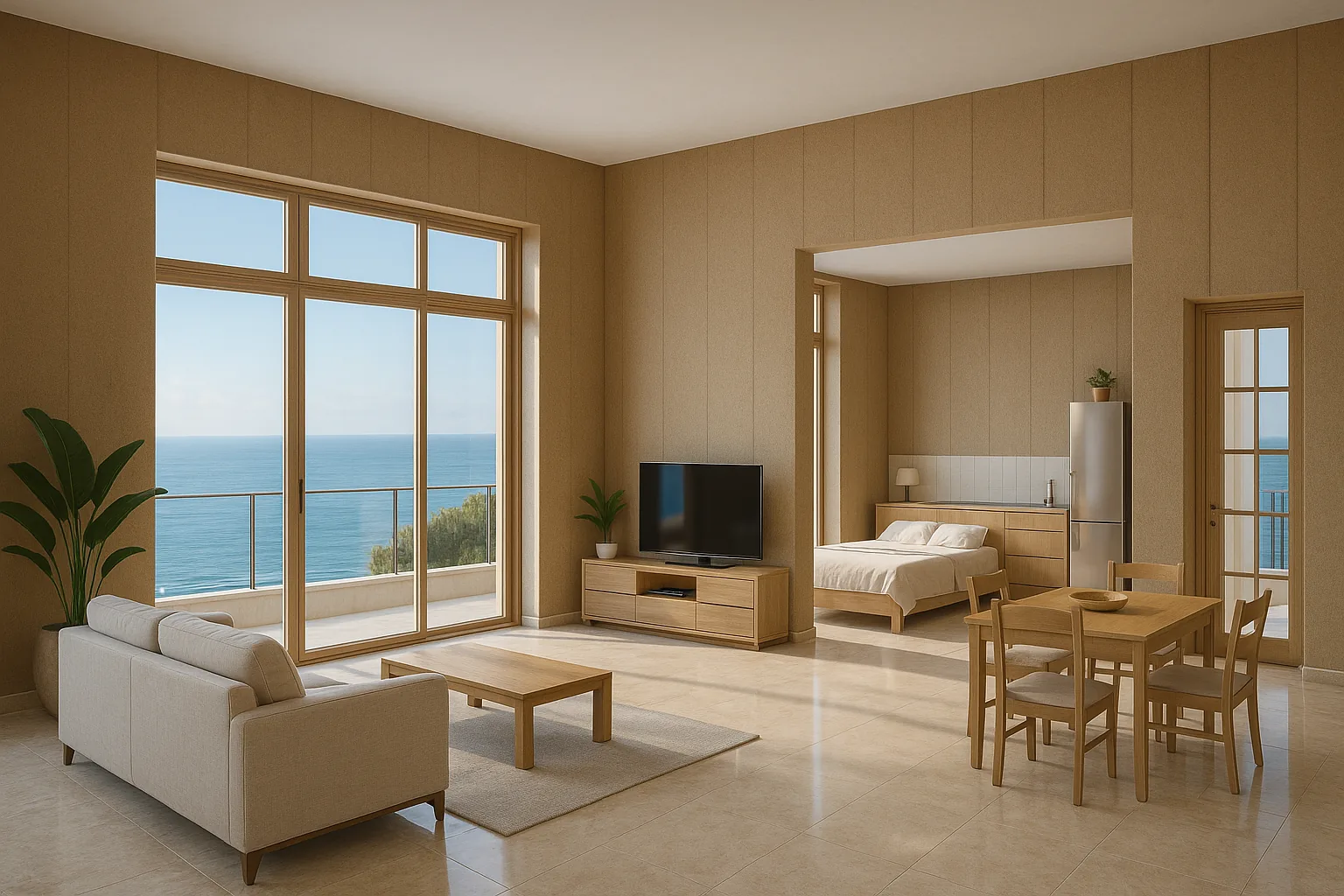
Illustration of AlgoLoam walls enclosing a living room
Illustration

The team

An interdisciplinary team, working through collaborative, iterative processes that create critical interactions between disciplines.

ArchitectsMaterial scientistsTextile technology expertsBiomimetics expertsSustainability expertsMechanical engineersLoam product developersProgrammers

Mission

We pioneer fully biodegradable loam walls, reinforced with natural fibres.

By combining traditional earth construction techniques with innovative natural reinforcements, we aim to reduce the environmental footprint of the building industry, enhance resource efficiency, and contribute to a circular, sustainable future.

Vision

Buildings that breathe, biodegrade, and harmonize with nature.

We aim to make eco-friendly, high-performance building materials the new standard: sustainable architecture that is accessible, and a built environment that contributes positively to the health of both people and the planet.

On the road

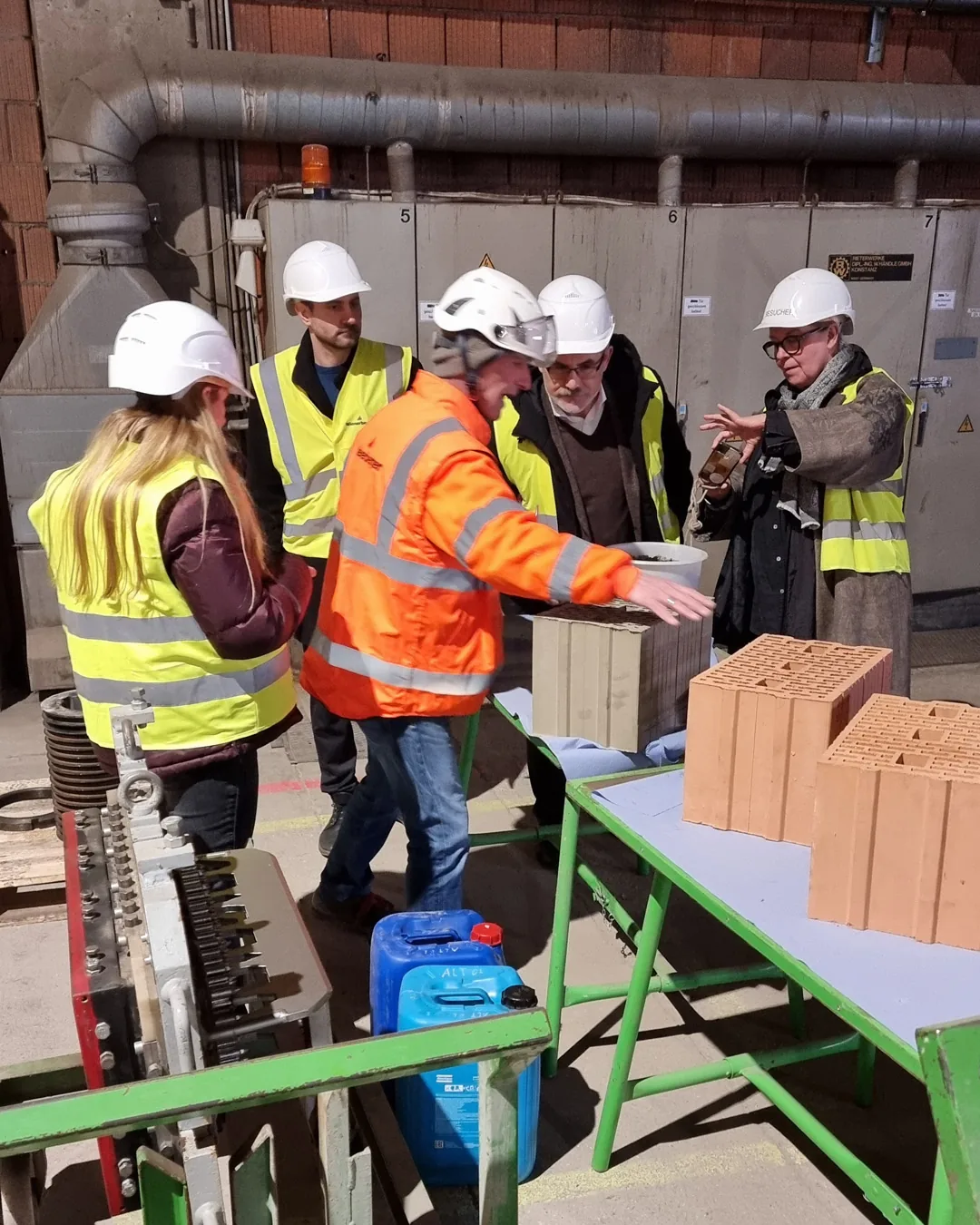
Brick production at Wienerberger
Wienerberger
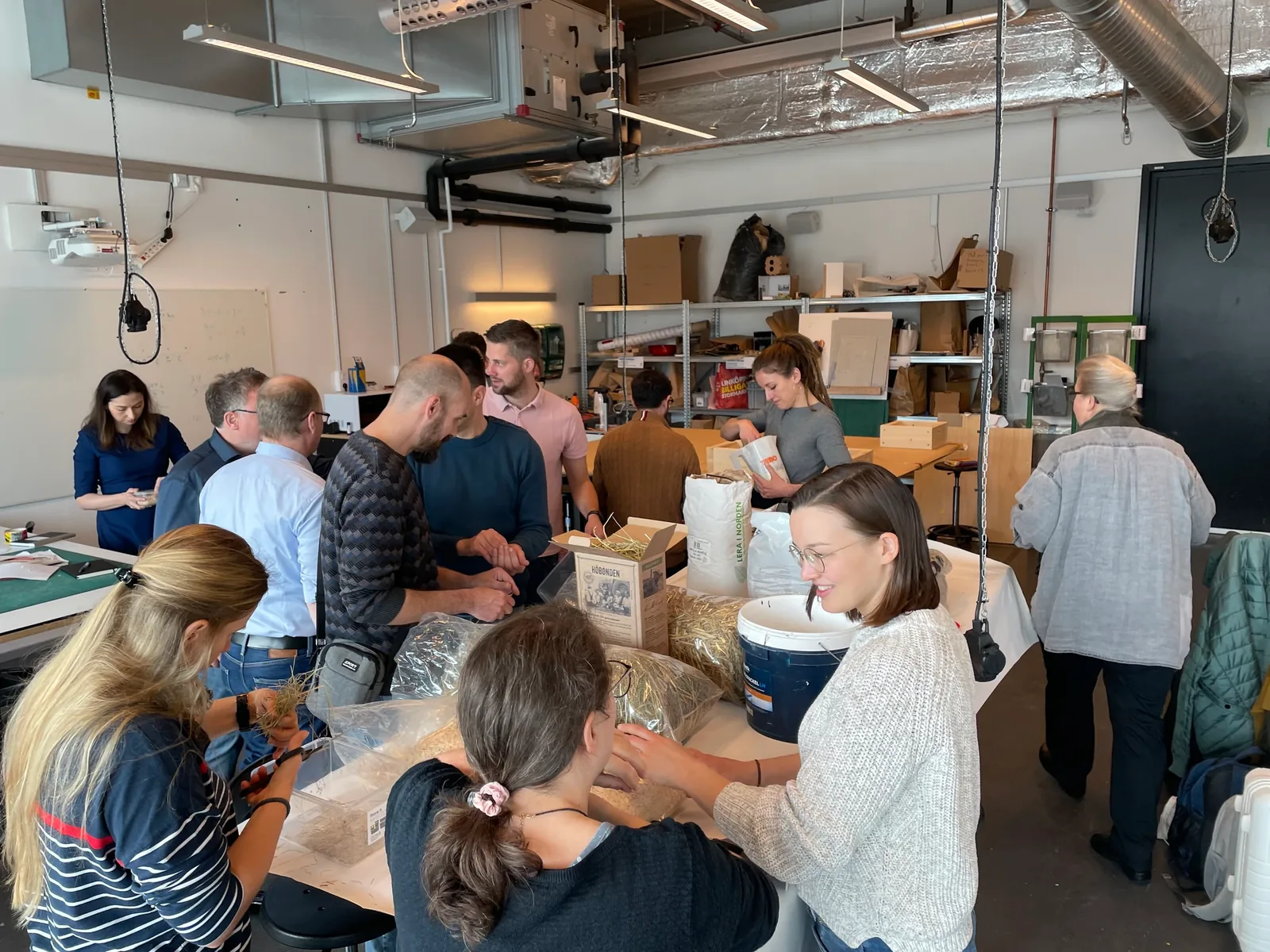
The team in Malmö
Malmö and Aalborg
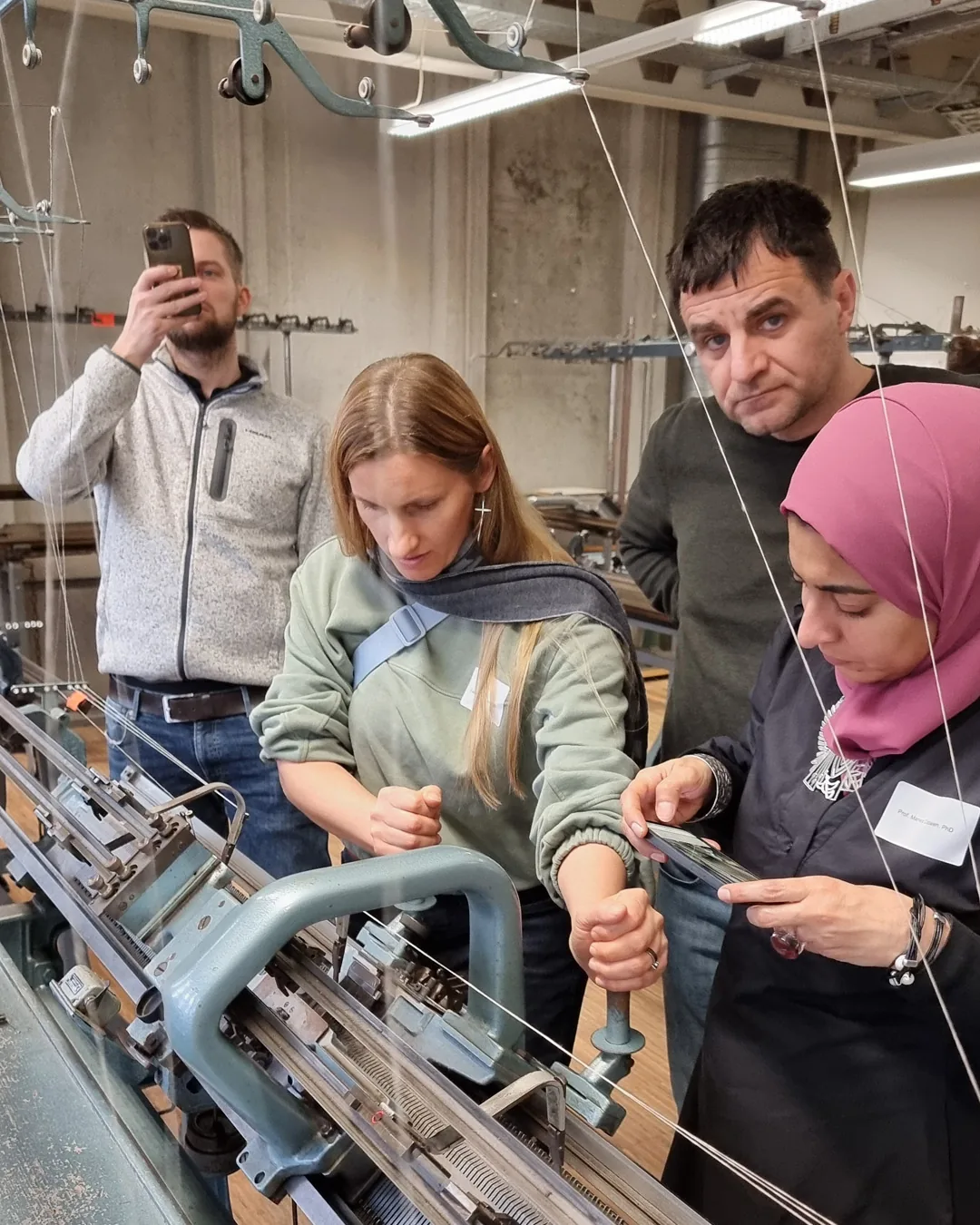
Textile work at Texoversum
Texoversum, Reutlingen
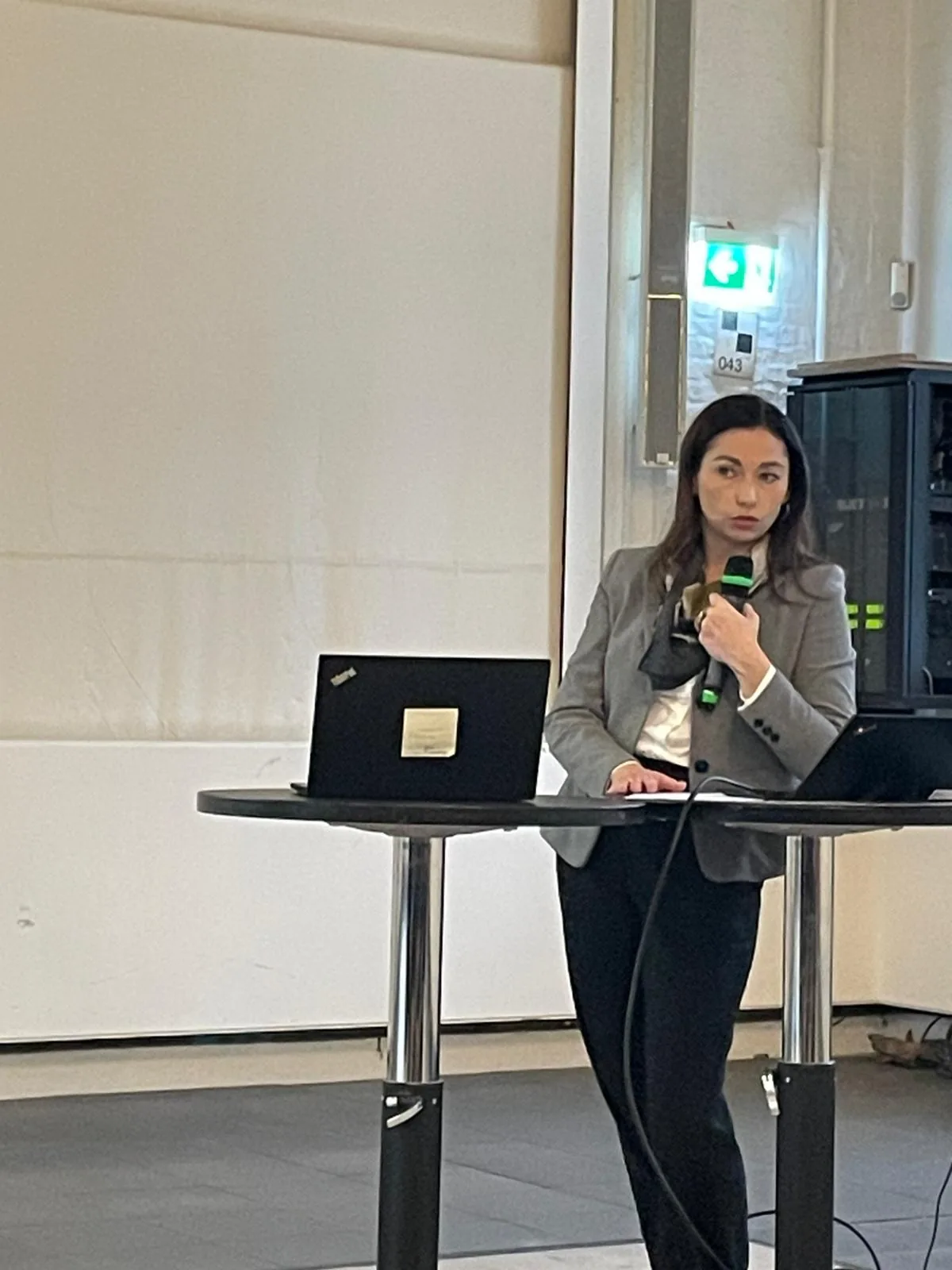
EIC annual portfolio meeting
EIC, Copenhagen
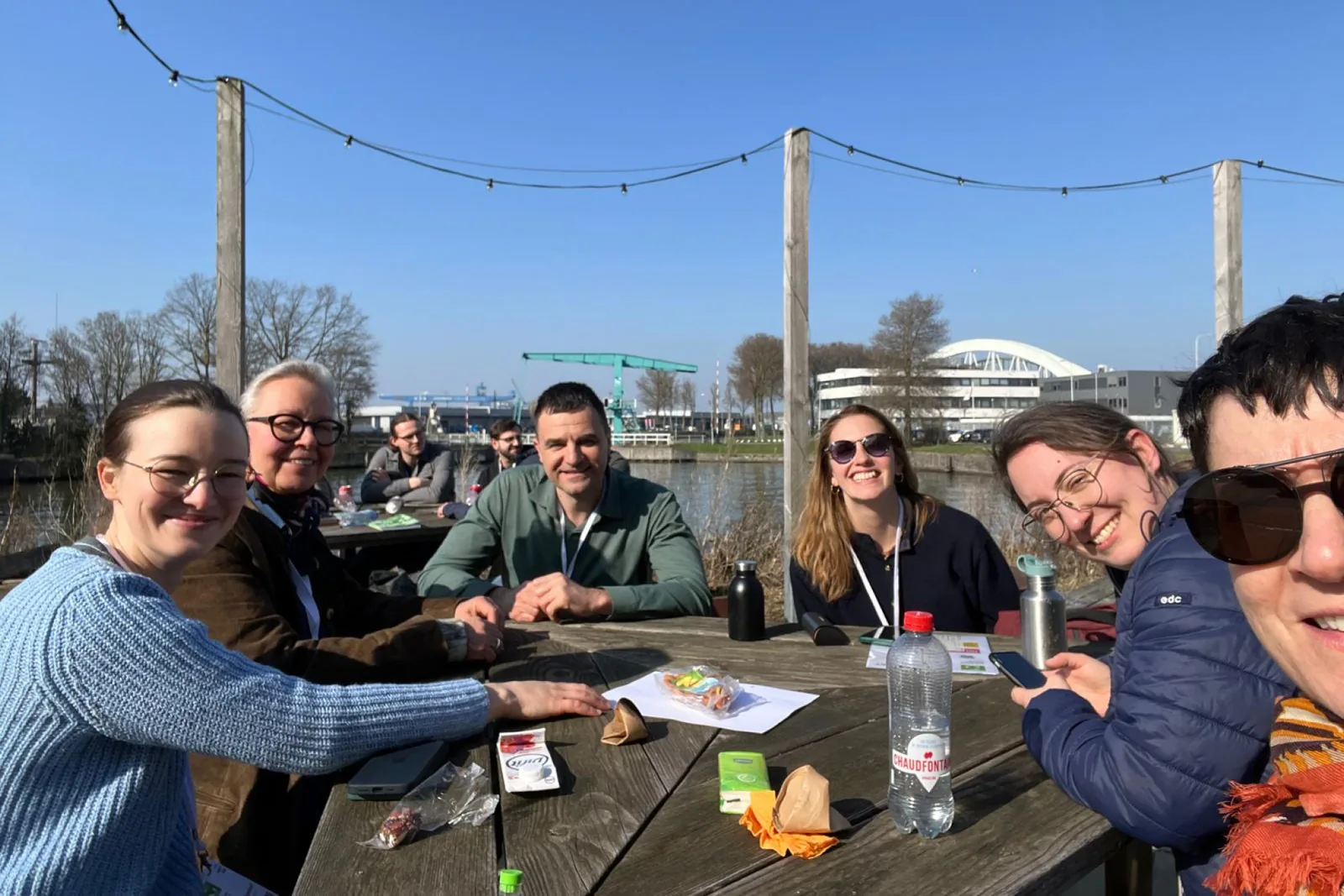
Visiting Wageningen University
Wageningen
The team at Wienerberger
Wienerberger

01

Achievements

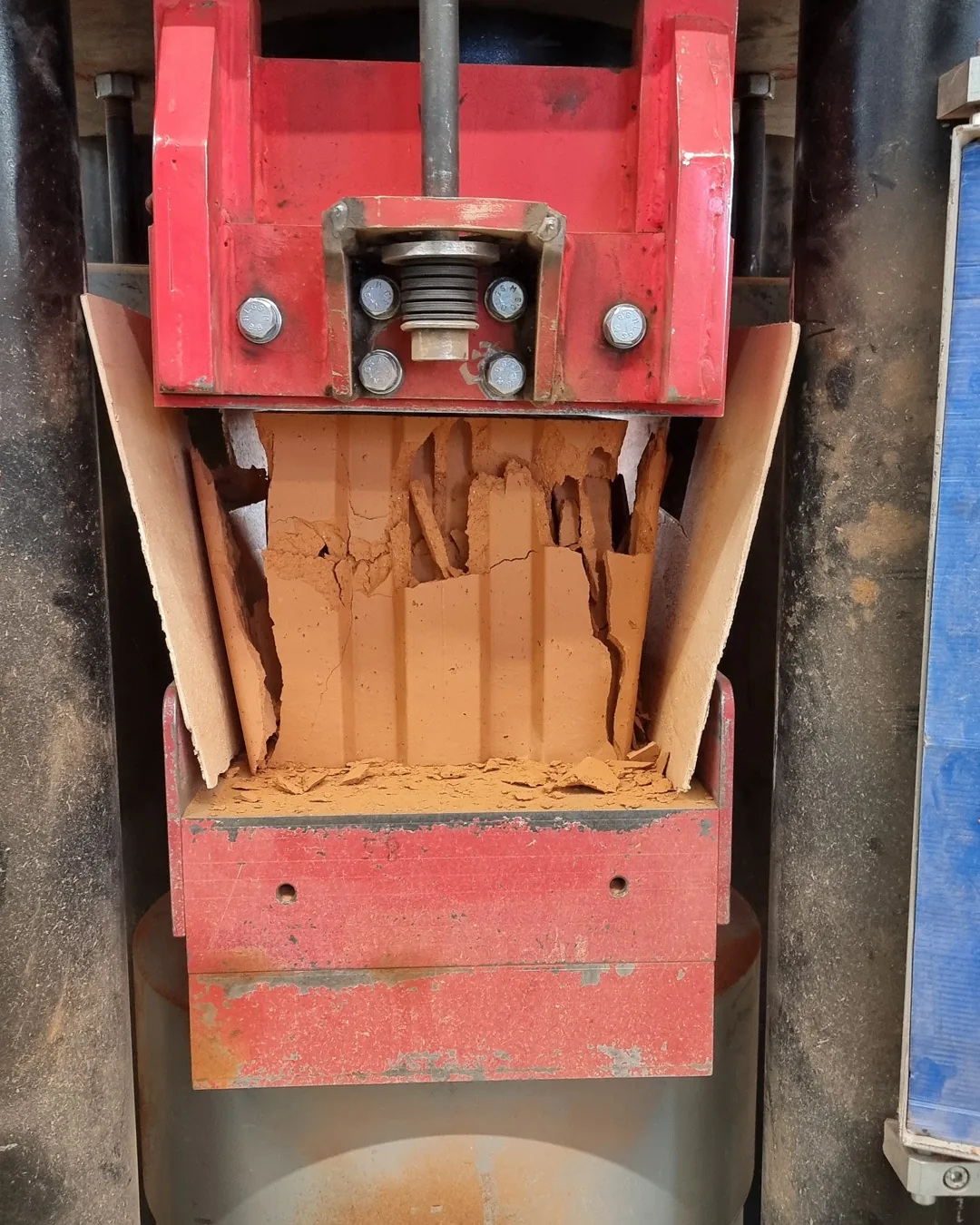
In the first reporting period we set the framework for lightweight, natural, and biodegradable loam wall elements, with target values for thickness, density, thermal performance, and weight. Early prototypes of reinforcement and loam layers, custom mechanical tests of the fibres, and finite element simulations showed how the system behaves, while preliminary LCAs produced a sustainability matrix and materials catalogue.

Rendering of a loam-walled interior

Renderings illustrate a possible future appearance of AlgoLoam walls. They are not photographs and do not reflect the current stage of wall development.

02

Results

Suitable natural fibres for 3D reinforcement and loam composites were identified and tested. The new reinforcement structures offer high stability, low stretchability, and material distribution adapted to specific loads, showing that synthetic materials can be replaced by biodegradable alternatives.

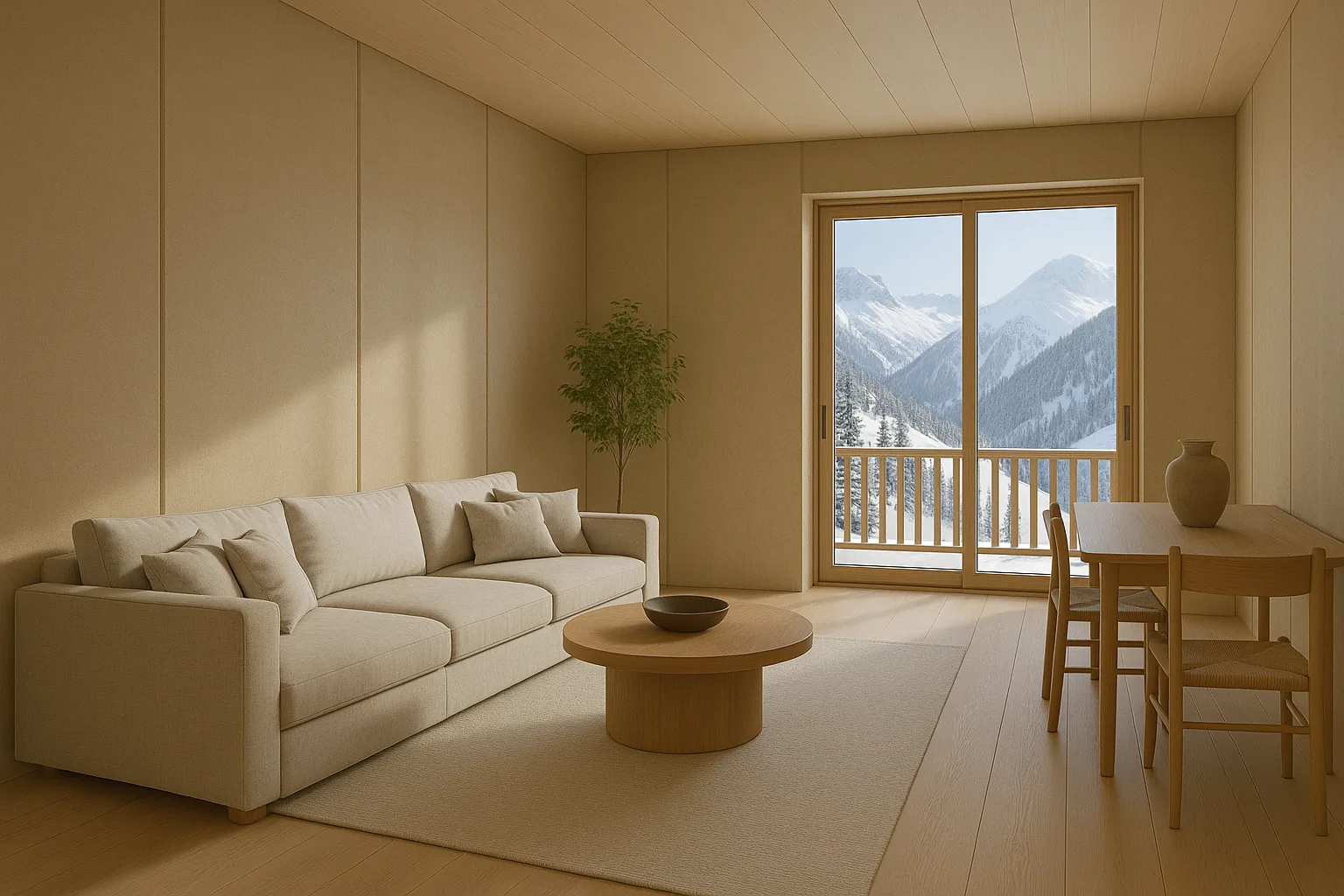
Rendering of a loam-walled interior

Renderings illustrate a possible future appearance of AlgoLoam walls. They are not photographs and do not reflect the current stage of wall development.

03

Policy

The EU’s regulatory push, driven by the need to eliminate hazardous H2S emissions from landfilled gypsum, is creating a significant market opportunity for sustainable alternatives. Textile-reinforced earth-based interior walls offer a compelling solution by providing a circular, low-carbon, non-toxic material.

Their alignment with the Circular Economy Action Plan, potential for local sourcing, and inherent biodegradability make them a strong candidate to meet and exceed future EU regulations on construction material sustainability and waste management. As standards mature and production scales, these wall elements are predestined to become a mainstream, environmentally responsible substitute for gypsum boards in a wide range of construction applications.

The innovation contributes to the UN Sustainable Development Goals:

  • SDG 9
  • SDG 11
  • SDG 12
  • SDG 13

Next

Partners →